Each of the twelve 50-minute episodes features a different aspect of the journey through life, from birth to adulthood and continuation of the species through reproduction.
The first episode examines the various methods by which creatures come into the world. Attenborough’s opening statement alludes to the annual spawning of the Christmas Island red …
This programme describes the ways that various species care for their young. Attenborough defines childhood as achieving two tasks: growing and surviving. He highlights the elepha…
The next installment is devoted to the ways in which animals gather their sustenance. Attenborough begins in the South American rainforest, where the proliferation of animal and p…
This episode looks at those that hunt other creatures and ways of avoiding capture. Attenborough is attacked by a pair of skuas as he approaches their nest, which demonstrates thi…
This programme explores forms of navigation. Attenborough starts in Africa at dusk, by describing some of the species that don't rely on sight. The spotted hyena uses its acute se…
This installment deals with how animals construct their shelters from the elements and predators. Burrows and holes can provide considerable refuge, and Attenborough inspects the …
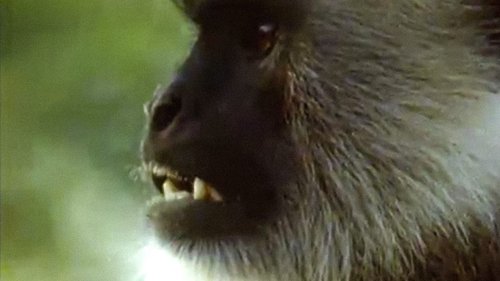
This episode focuses on those species that co-operate and depend on (or exploit) others. Spotted deer follow langur monkeys as they travel from tree to tree, eating any leaves tha…
This programme details how fighting - both physical and psychological - is used for food, land or to gain a mate. Territorial conflict is demonstrated by the hummingbird, and Atte…
This installment investigates the ways in which those animals that live in social groups interact with each other. The solitary eagle is contrasted with whooper swans landing in S…
This episode concentrates on communication. In Kenya, Attenborough accompanies a tribesman who calls to a honeyguide, which in turn answers him and leads the pair to a bees' nest.…
This programme surveys the methods employed in attracting a mate, mainly those of birds. The Indian florican inhabits long grass, and so is difficult to see. In order to gain atte…
The final installment illustrates how species fulfill their ultimate raison d'être and ensure that their genes are passed on to the next generation. It is a universal problem, but…