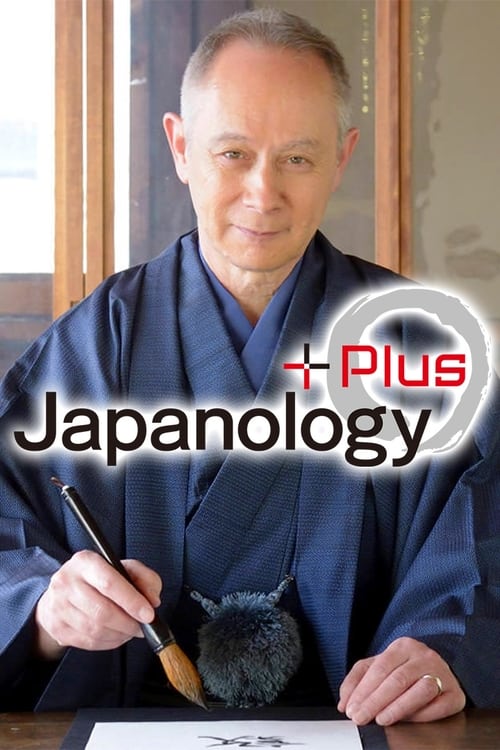
Host Peter Barakan delves into various aspects of Japanese culture; exploring practices, history, and modern innovations in such areas as ramen, rice, sushi, geisha, bonsai, and so much more. Local experts discuss their passions at fascinating length, and American Japanophile Matt Alt experiences the food, practices, and cultures in each episode in depth. Viewers will finish each half hour episode with a new understanding of an area of Japanese life through demonstrative videos and explanations, all delivered respectfully and true to the Japanese way of life.

Japanese public bathhouses, also called sento. From the outside, some of them look like Shinto shrines or Buddhist temples. Inside, they have many features that help to create a s…
Ramen is one of Japan's favorite foods. Broth, noodles and toppings are the 3 elements, but within that basic framework there is almost endless variation. An annual gathering in T…
Mt. Fuji is Japan's tallest peak. Its beauty changes from season to season, from day to day. Frequently featured in ukiyo-e woodblock prints and other artworks, Mt. Fuji is also a…
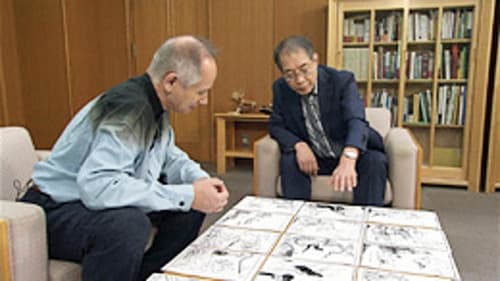
Maneuver your pieces to capture the opponent's king - that's the essence of shogi, Japan's most popular board game. Descended from the same ancient Indian game as chess, shogi dat…
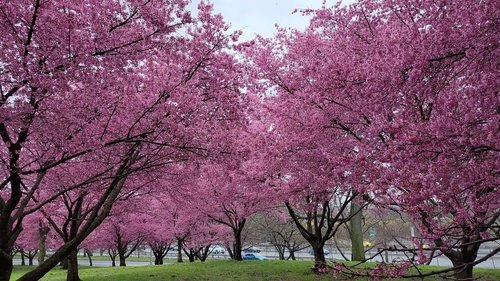
Springtime in Japan means cherry trees in bloom. Cherry blossoms flower gloriously, but briefly, then their petals fall like confetti on the spring breeze. This yearly occurrence …
Akihabara, with its mix of gadgets and geekdom, is a one-of-a-kind experience. Shops selling everything electronic from appliances to cutting-edge robots crowd its streets. Japan'…
Wagashi, Japan's traditional sweets. Each colorful, exquisite morsel contains a clear sense of the season - wagashi are an essential part of various annual events. This time, we'l…
Under cover of darkness, moving by stealth, ninja used superb physical skill and special equipment to infiltrate and disrupt their enemies. Ninja appeared during Japan's age of re…
From sushi to sake, rice is an absolutely essential part of Japanese cuisine. Appliance makers offer state-of-the-art rice cookers with elaborate functions, while a "rice-cooking …
Japan's castles are masterworks of wood and stone. They bristled with defences and functioned as symbols of authority. Today they are cherished local landmarks and popular tourist…
This time, we present an installment of our special talk-show series Japanophiles, which features lively interviews with foreigners living in Japan. Elizabeth Suzuki, originally f…
This time, we present another of our special talk-show series Japanophiles, which features lively interviews with foreigners living in Japan. The photographic artist Everett Kenne…
This time, we present an installment of our special talk-show series Japanophiles, which features lively interviews with foreigners living in Japan. Carolin Eckhardt is a young Ge…
Microphone in hand, tens of millions of people in Japan belt out songs in private party rooms known as karaoke boxes. These intimate spaces are great places for friends to build c…
Bento are portable boxes of food, typically composed of rice, protein-rich main dishes, and vegetables on the side. They've evolved from a purely practical means of sustenance int…
Through the ages, bamboo has been profoundly important to Japan's industry, culture and everyday life. But why does bamboo grow so quick, and when does it flower? A great deal abo…
Japan's taiko drums—made in many shapes and sizes, played at various occasions—are an ancient heritage. Originally taiko were an integral part of festivals and rituals, used to su…
Tokyo's Tsukiji Market is the world's largest fish market - hundreds of kinds of seafood from around the world are sold there. 40,000 people work at Tsukiji each day, and hordes o…
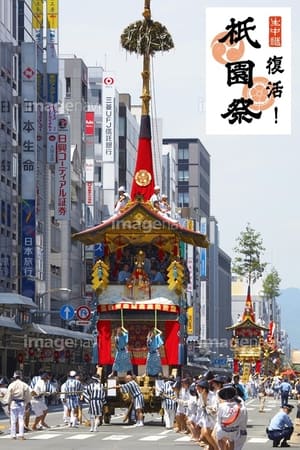
Festivals are held in every region of Japan throughout the year. The oldest date back well over a millennium, and typically feature prayers for good harvests or peace and stabilit…
This time on Japanology Plus, our theme is Japanese gardens, compact evocations of nature's majesty. Japan has many garden styles: from tea gardens, to the dry gardens of Zen Budd…
Origami, the traditional Japanese art of creating objects by folding paper. It's a classic pastime that everyone in Japan has done at some point, and with roots in religious ritua…
Japanese Buddhist statues come in countless shapes and forms, and they are not just objects of prayer but also meticulously crafted works of art in their own right. When Buddhism …
Yokai: the collective name for all sorts of bizarre creatures and supernatural phenomena in Japanese folklore. They have a very long history in Japan, and these days they often fe…
The Shinkansen is Japan's bullet train system. Since it debuted 50 years ago as the world's fastest train service, its speed, safety and on-time performance have enabled it to car…
Whether it's learning about a traditional custom, or a newly popular sport, people in Japan love to take lessons and develop a skill. It's estimated that there are 86,000 such cla…
Japan is a robotics superpower. There are approximately 300,000 industrial robots at work in Japan—that's more than any other country, and a quarter of the world total. Japan is a…
Sports days are all-day athletic meets held annually at schools in Japan—pretty much every Japanese person has taken part in one. Students compete in all sorts of team-based physi…
With just one plant in one pot, you can create your own personal vision of nature. This is bonsai. Although in Japan it's often regarded as a hobby for old men, bonsai's popularit…
Sushi is basically vinegared rice topped with something else—usually seafood. Simple ingredients, but proper preparation demands the delicate skill of a trained chef. Sushi origin…
A private banquet in the company of geisha is considered the ultimate in elegant hospitality. A common misconception is that geisha are courtesans; in reality, they are skilled pr…
No streaming providers available.