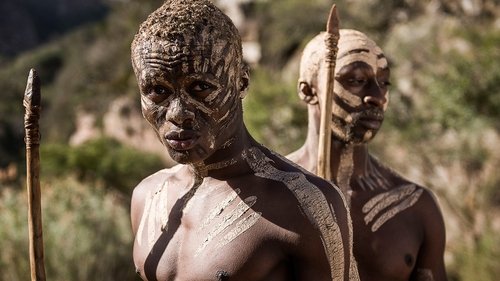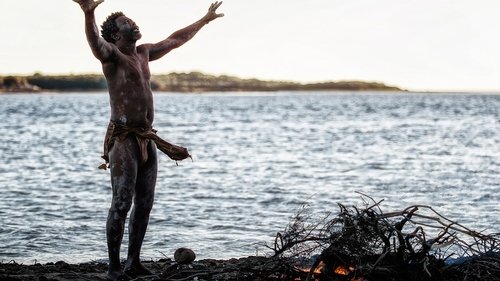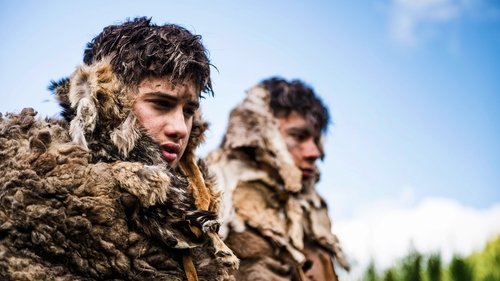
A five-part series that features the latest research exploring how early humans evolved. See how the mixing of prehistoric human genes led the way for our species to survive and thrive around the globe. Archaeology, genetics and anthropology cast new light on 200,000 years of history, detailing how early humans became dominant.
As early humans spread out across the world, their toughest challenge was colonizing the Americas — because a huge ice sheet blocked the route. It has long been thought that the p…
Around 200,000 years ago, a new species, Homo sapiens, appeared on the African landscape. While scientists have imagined eastern Africa as a real-life Garden of Eden, the latest r…
What happened when early humans ventured out of Africa and into Asia? Where did they go and whom did they meet along the way? The latest evidence suggests they left far earlier th…
When Homo sapiens arrived in Australia, they were, for the first time, truly alone, surrounded by wildly different flora and fauna. How did they survive and populate a continent? …
When Homo sapiens turned up in prehistoric Europe, they ran into the Neanderthals. The two types of human were similar enough to interbreed — and both created artifacts of similar…