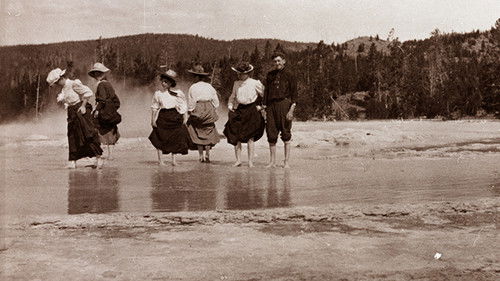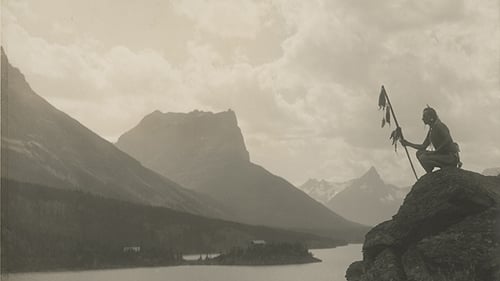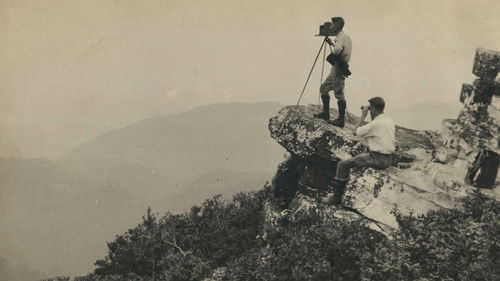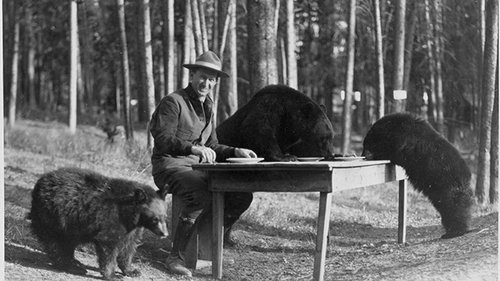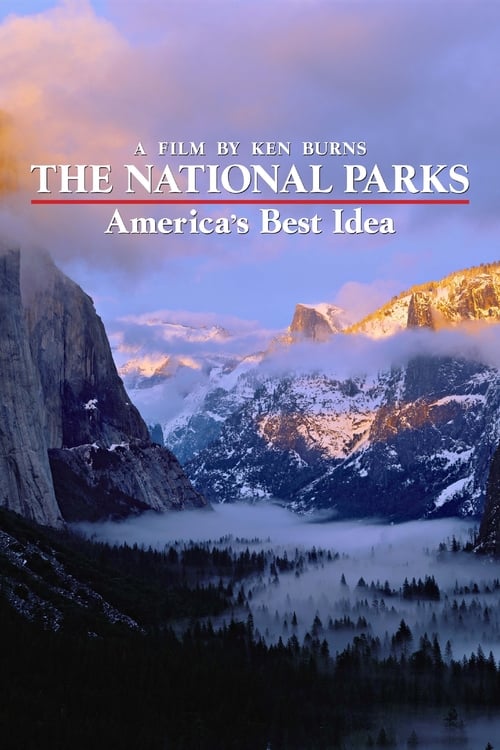
Filmed over the course of more than six years at some of nature's most spectacular locales – from Acadia to Yosemite, Yellowstone to the Grand Canyon, the Everglades of Florida to the Gates of the Arctic in Alaska - “The National Parks: America's Best Idea” is nonetheless a story of people: people from every conceivable background – rich and poor; famous and unknown; soldiers and scientists; natives and newcomers; idealists, artists and entrepreneurs; people who were willing to devote themselves to saving some precious portion of the land they loved, and in doing so reminded their fellow citizens of the full meaning of democracy.
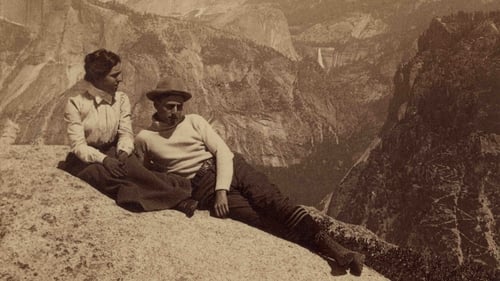
In 1851, word spreads across the country of a beautiful area of California's Yosemite Valley, attracting visitors who wish to exploit the land's scenery for commercial gain and th…
By the end of the 19th century, widespread industrialization has left many Americans worried about whether the country - once a vast wilderness - will have any pristine land left.…
In the early 20th century, America has a dozen national parks, but they are a haphazard patchwork of special places under the supervision of different federal agencies. The conser…
While visiting the parks was once predominantly the domain of Americans wealthy enough to afford the high-priced train tours, the advent of the automobile allows more people than …
To battle unemployment in the Great Depression, Franklin D. Roosevelt creates the Civilian Conservation Corps, which spawns a "golden age" for the parks through major renovation p…
Following World War II, the parks are overwhelmed as visitation reaches 62 million people a year. A new billion-dollar campaign – Mission 66 – is created to build facilities and i…