Explores the scientific, social, economic and environmental consequences of supposedly time-saving inventions, ideas and objects. Throughout a lifetime, the minutes that are actually lost or saved can add up to days, weeks, months or even years.
At any given moment there are about 18,000,000 elevators operating around the world. They’re the backbone of the modern city and have quite literally shaped the world in which we …
Since the beginning of time, humanity has been on a quest to go further and get there faster. Over time, roads have evolved from the footpath to the high speed limited access high…
Over a lifetime, many of us spend hours, days, weeks, and even months in their covered, climate-controlled, everything-under-one roofs. Shopping malls didn’t only change the way w…
The invention of the sealable plastic container in 1946 changed the way we shop for food, the way we cook, and the way we eat. They allow us to eat on the move, prep in advance, a…
Discovered by accident in 1946, the microwave oven revolutionized kitchens and today is one of the most ubiquitous household appliances in the world. But the technology behind it …
Originally invented to save lives, the disposable cup would become an international symbol of busyness, a must-have multitasking accessory. But is it all an illusion? Do these sin…
The barcode shortened check-out times, advanced the global supply chain, accelerated next-day delivery, and made same-day delivery possible. They’re scanned some 6 billion times a…
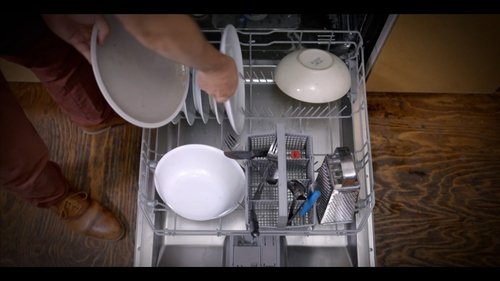
It’s responsible for nightly fights around the world; to pre-rinse or not? Whose turn to load? Knives up or down? But the dishwasher also saves you about 230 hours a year, is kind…
No streaming providers available.